
Sustainability is becoming a business requirement, not a marketing initiative.
Across New Zealand, developers, property owners and construction teams are under increasing pressure to create buildings that are more efficient, more sustainable and better prepared for the future.
One of the most recognised frameworks helping drive this change is Green Star.
Administered by the New Zealand Green Building Council (NZGBC), Green Star provides an independent rating system that assesses the sustainability and performance of buildings across areas including energy efficiency, resource use, emissions, waste reduction and occupant wellbeing.
For developers and asset owners, Green Star isn’t simply about achieving a rating. It’s about creating buildings that deliver better long-term outcomes for owners, tenants and the environment.
Why Green Star Matters
Commercial and industrial buildings account for a significant portion of New Zealand’s energy consumption.
As operating costs rise and sustainability expectations increase, businesses are looking for ways to reduce energy usage while maintaining high-performing facilities.
Green Star-certified buildings help achieve this by:
- Reducing energy consumption
- Lowering operating costs
- Supporting ESG and sustainability objectives
- Enhancing tenant experience
- Improving asset value
- Future-proofing developments against changing regulations and expectations
For many developers, Green Star has become an expectation rather than a differentiator.
The Electrical Systems Behind Green Star Performance
While Green Star encompasses many aspects of building design and construction, electrical systems play a significant role in achieving performance outcomes.
The right electrical design can dramatically improve energy efficiency throughout the life of a building.
Examples include:
Smart Lighting Systems
Modern lighting control systems can automatically adjust lighting levels based on occupancy and available natural light.
This reduces energy consumption while improving occupant comfort.
Solar Integration
Solar generation can significantly reduce a building’s reliance on the grid and contribute to sustainability targets.
Energy Monitoring and Metering
One of the most valuable tools in a Green Star building is visibility.
Advanced metering systems allow building owners and facilities managers to monitor energy performance in real time, helping identify opportunities for ongoing efficiency improvements.
Efficient Infrastructure Design
Selecting the right equipment, cabling and electrical systems from the outset can have a long-term impact on operational performance and maintenance costs.
Green Star Success Starts Long Before Construction
One of the biggest misconceptions about Green Star projects is that sustainability can be added later.
In reality, successful Green Star outcomes are achieved through early planning and collaboration.
Electrical contractors, consultants, architects, engineers and project teams must work together from the beginning to ensure sustainability objectives are integrated into the design and delivery process.
This includes:
- Product and material selection
- Energy modelling requirements
- Procurement planning
- Construction practices
- Waste management processes
- Documentation and compliance reporting
Leaving these considerations too late can increase costs, create delays and make compliance more difficult to achieve.
The Challenge: Delivering Sustainability Without Compromising Programme
Green Star projects often involve stricter specifications, increased documentation requirements and specialist materials.
This creates additional complexity, particularly when project timelines are tight or supply chains are under pressure.
We’ve seen firsthand how proactive planning and strong supplier relationships can help overcome these challenges.
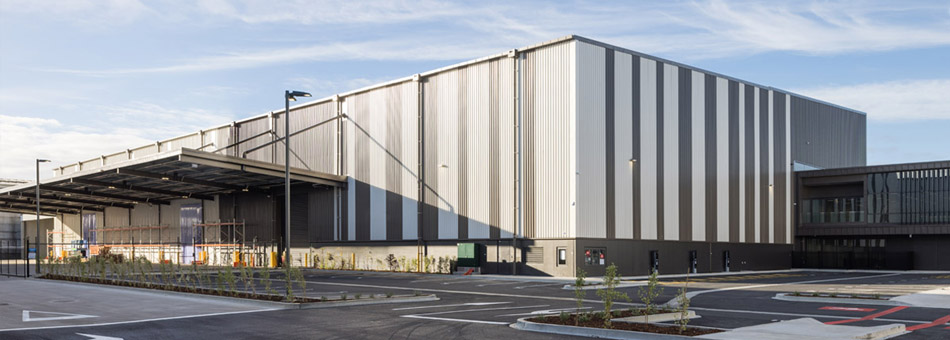
On the Jerry Green Warehouses project in Wiri, our team was responsible for delivering electrical systems that met Green Star requirements while navigating post-Covid supply chain disruptions and a demanding construction programme. The project incorporated solar generation, advanced lighting controls, energy monitoring systems and Green Star-compliant materials while still being delivered on time and on budget.
The experience reinforced an important lesson:
Sustainability goals are only achieved when technical expertise, planning and project management work together.
Looking Beyond Certification
While achieving a Green Star rating is a significant milestone, the real value comes from the building’s long-term performance.
For building owners and facilities managers, the focus should be on creating assets that:
- Consume less energy
- Cost less to operate
- Provide better experiences for occupants
- Adapt to future technology requirements
- Support sustainability goals for years to come
The best Green Star projects don’t just achieve compliance.
They create smarter, more resilient buildings.
Making Complex Sustainability Requirements Simple
As sustainability expectations continue to evolve, the complexity of delivering compliant, high-performing buildings will only increase.
Working with partners who understand both the technical requirements and the practical realities of project delivery can make a significant difference.
We help clients navigate complex electrical requirements, sustainability objectives and Green Star standards to deliver buildings that perform today and are ready for tomorrow.
At DGE, we are building the Green Star philosophy into our approach to each design-and-build project.
Some of our past projects:
Want to discuss how Green Star requirements could impact your next project?
Get in touch with the DGE team to explore practical, future-focused electrical solutions.